

Why Myakka River Belongs on Every Florida State Park Bucket List
After visiting just a few shy of all 176 Florida State Parks I can easily put Myakka River in my top 10. It has everything that I love about Florida: history, wildlife, paddling, and some amazing hiking.
Weighing in at 37,000 acres, Myakka is one of the larger state parks and offers a variety of experiences. It is one of the original Florida State Parks built by the Civilian Conservation Corps (CCC), and construction started about 90 years ago. The palm log constructed cabins and pavilion exist nowhere else in the state park system that I am aware of.
The men of the CCC endured some pretty harsh conditions constructing the park in the wet and low areas. The benefits of their efforts endure today and is a reminder to me that conserving land here in Florida where there has been sustained growth and development can benefit generations of Floridians.
Here are a few of my recommendations of things to visit at Myakka.
Travel the Park Drive
The park drive at Myakka River is approximately seven miles long. I highly recommend hiking, jogging, cycling, or driving the entire length. Why? There are so many spots to stop and view wildlife, hike a trail, or have an unexpected adventure. Just keep an eye out for signage and small parking areas. The adventure will follow.
Climb the Canopy Walkway and Tower
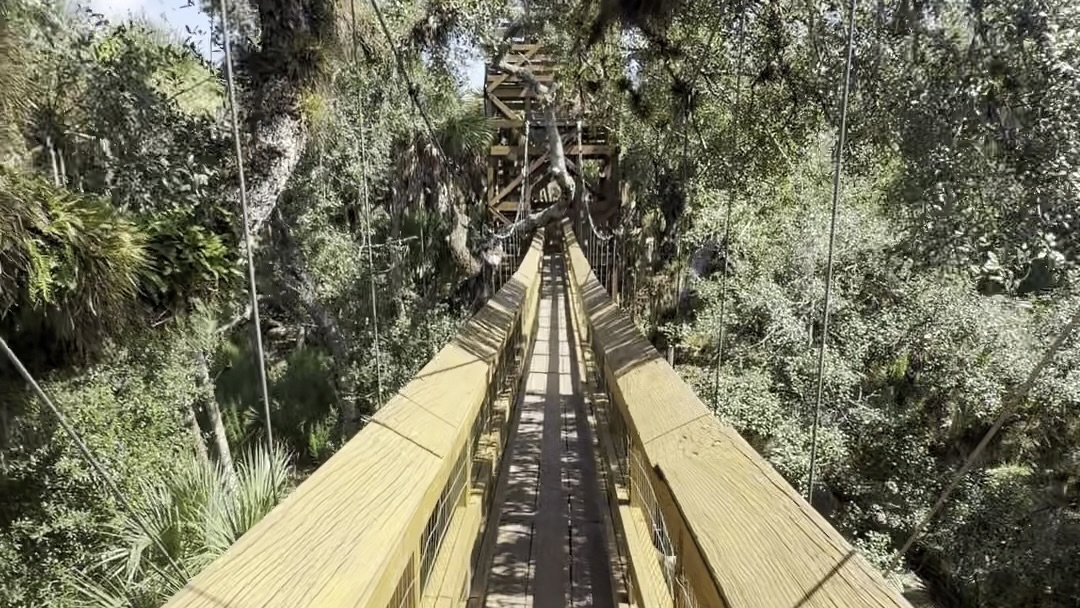
Considered a public treetop trail, the canopy walk opened in 2000. It is 25 feet off the ground and 100 feet long. It immerses the hiker in the tree canopy, where one can peer through the branches of the forest full of palm trees and oaks. For a more birdseye view, climbing the over 70-foot tower gives a sweeping view of the park and reveals how vast it is. It can be accessed just a short walk on the Boylson Nature Trail.
Hike the Prairie
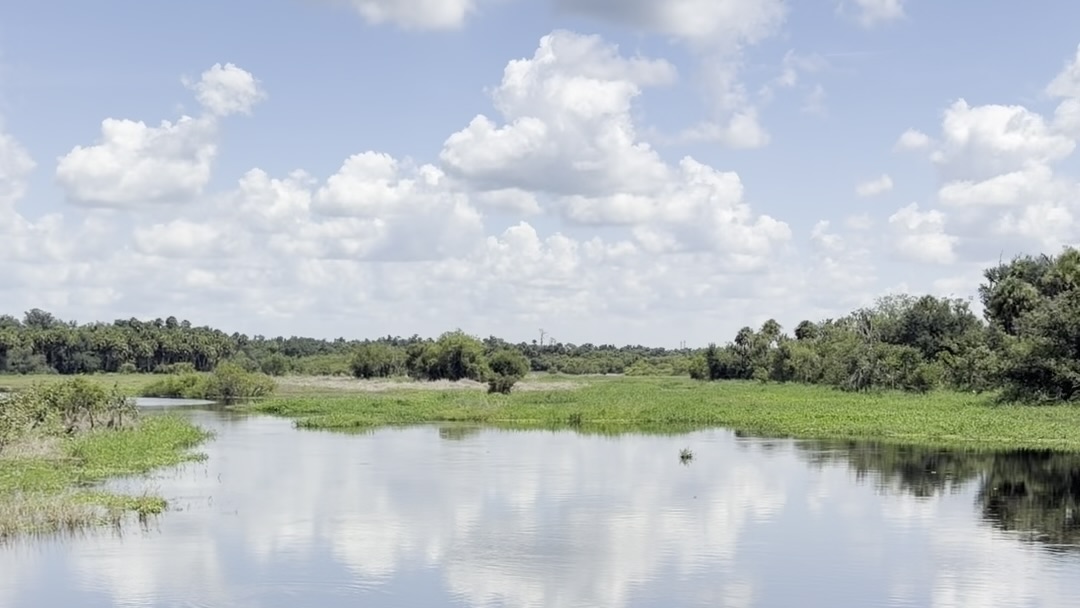
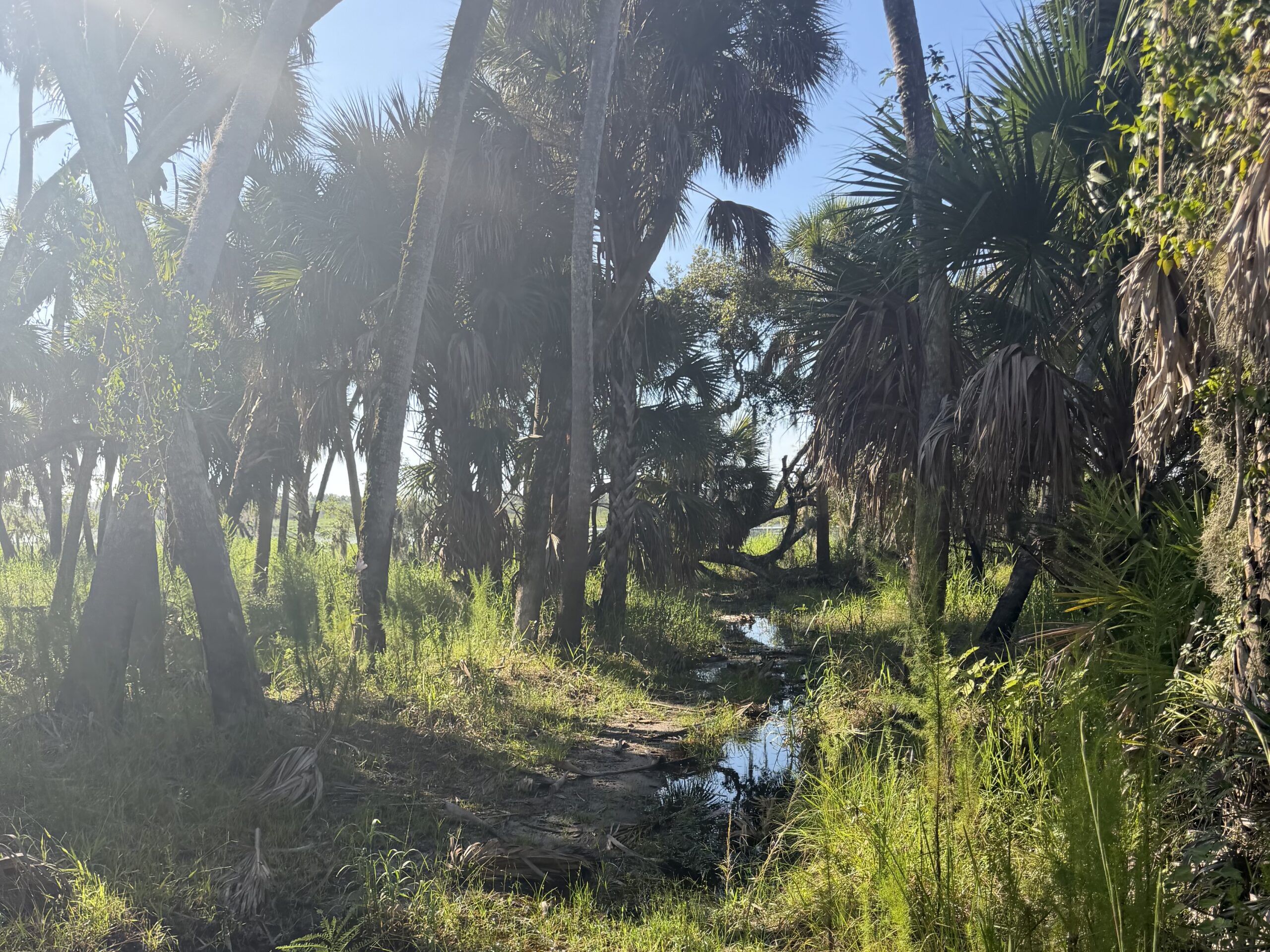
Myakka River has a variety of habitats to hike through: wetlands, marshes, various hammocks, and dry prairie. The dry prairie is my personal favorite. I highly recommend downloading the park map from the Mayakka River State Park website before visiting (a more detailed one can be purchased at the ranger station for $2).
The area that is most frequented actually makes up about a third of the whole park. The rest is open expanses dotted with the occasional trees, prairie ponds, and a network of trails that is much less explored. It’s important to remember that dry prairie doesn’t exactly mean dry like a desert; during certain seasons, it will have standing water. This habitat used to cover millions of acres in Florida, but like many others, has been greatly reduced.
The vast sky and scenery that stretches for miles is a rarity in Florida. With dozens of miles of trails, it can be a trek to get access to the prairie area. Hiking down Powerline Road from the main park drive is one of the more direct routes. Another way to see the prairie is to hike to Deep Hole.
Visit Deep Hole
Deep Hole is a large sinkhole in the Myakka River’s Wilderness Area. During the dry season and when the temperature drops, gators will line the banks sunning themselves. During the wet season, it resembles a lake. To get there, it is a little over a two-mile hike through the dry prairie. Keep in mind there is a limit of 30 hikers per day in the wilderness area.
During the wetness of summer, there aren’t as many hikers attempting to make the short trek. However, in the wintertime, when it is peak gator viewing season, I recommend arriving at the park before it opens to get a spot in line.
Wildlife Watching
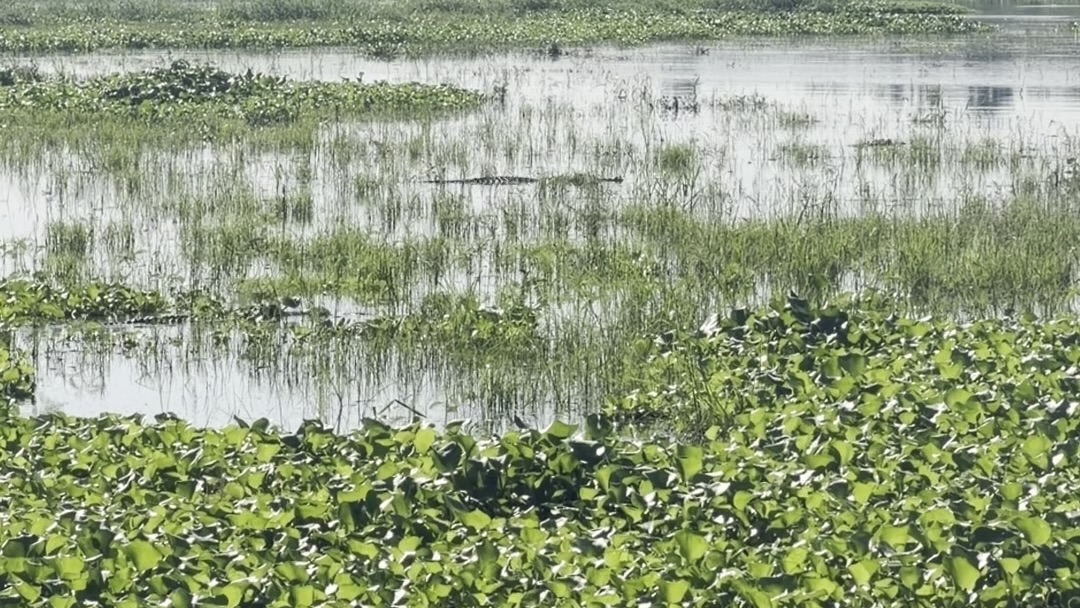
The iconic Bird Walk, a viewing platform on Upper Myakka Lake has not been reconstructed after being damaged when I last visited, yet I don’t think that deters the birds that congregate around Upper Myakka Lake at all. Check with the ranger station on peak viewing times. Gators are quite common during the right conditions and one can stop at just about any body of water in the park to see them.
Gators can safely be viewed by keeping a distance from the shoreline. NEVER EVER feed a gator. Not only is it illegal, fed gators become habituated to humans and will approach them for food. When it reaches a certain size and exhibits this behavior, it will be removed and terminated.
Things to remember:
Protect yourself. Water, sun protection, and insect repellent are non negotiables with me when I am visiting the natural areas of Florida, Mayakka river is no exception. At the time I am writing this, the park does not have drinkable (potable) water. They do have bottled water available for free at the ranger station. Keep this in mind if you are planning on some hiking.
Don’t feed the wildlife. No matter how cute or awesome they are.
Bring binoculars. From the lakes to the prairies. Myakka has some wide open spaces, having some viewing magnification helps bring far away wildlife up close without disturbing them.
Ryan Worthington, known as The Florida Excursionist, is a Live Wildly Adventurist. He grew up in Florida State Parks and has spent his life exploring — and championing — the state’s wild places. A Florida Master Naturalist, he documents conservation areas across the state through guided hikes, social media, and his podcast The Florida Madcaps.